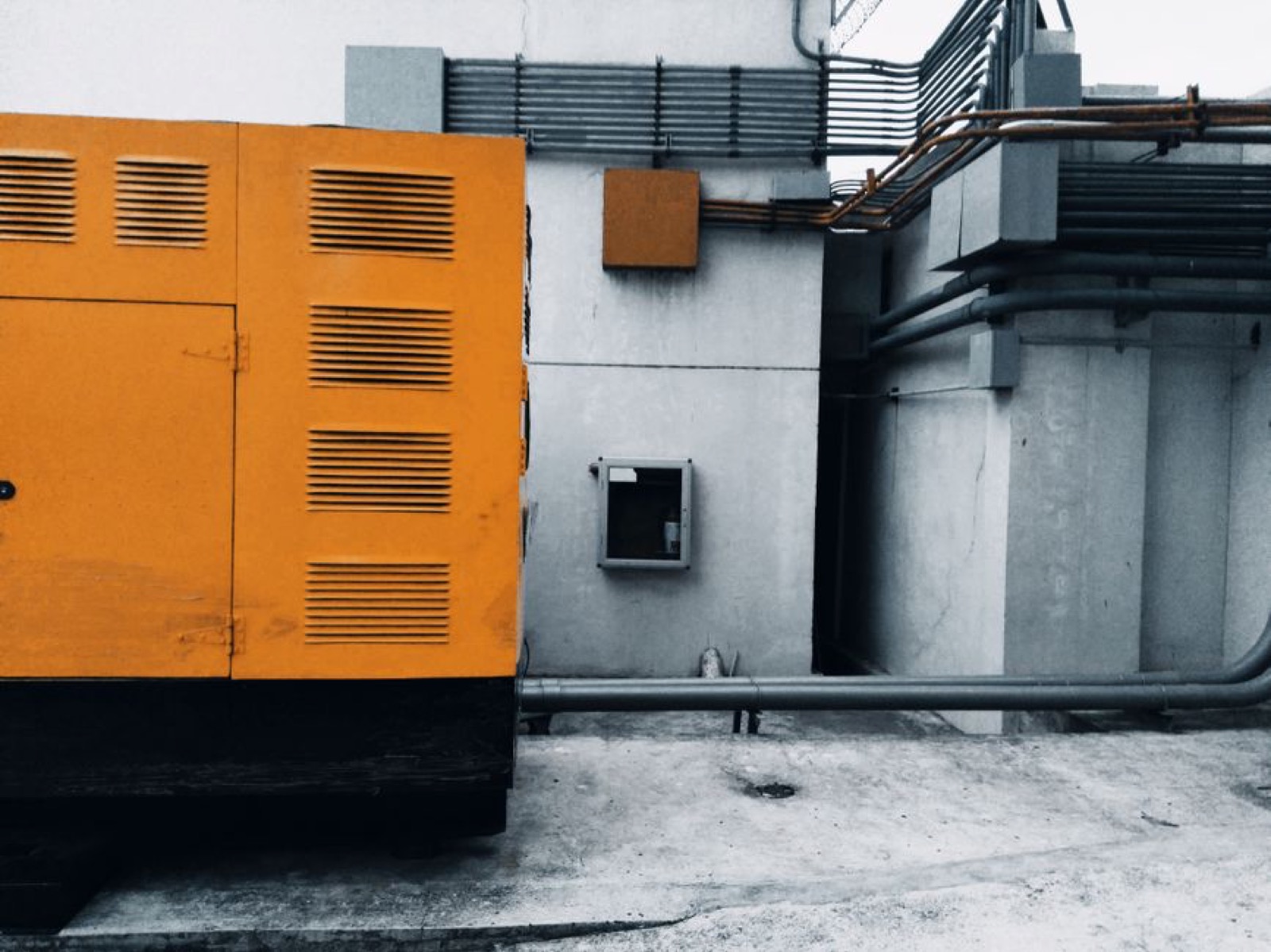
DuroMax XP12000EH + Interlock Kit
Roughly $1,900 total install for whole-house backup, proven performance.
Champion 14kW Portable + ATS
Around $4,200 total for push-button convenience with portable flexibility.
Generac Guardian 24kW Standby
Full automatic system with professional install, $12,000 to $18,000 total.
Whole house generator costs range from under $2,000 for a budget portable setup with an interlock kit to over $20,000 for a premium standby system with full professional installation. The sticker price on the generator itself tells only part of the story. Installation labor, transfer switches, permits, fuel lines, and ongoing maintenance all add up fast. Most homeowners underestimate total cost of ownership by 30% or more because they focus on equipment price alone and ignore the hidden fees that surface during installation. This guide breaks down real-world costs for every component, compares three complete system scenarios at different budget levels, and shows you where you can save money without sacrificing reliability or safety.
Understanding the Cost Components
A whole house generator system has four distinct cost categories. Equipment is the obvious one, but installation, permitting, and ongoing operation each carry significant expense. Here's what you're actually paying for when you buy backup power.
Generator unit, transfer switch or interlock kit, fuel connections, cords, and accessories.
Electrician labor, concrete pad, fuel line work, wiring, startup, and testing.
Building permits, electrical inspections, gas line permits, HOA approvals where applicable.
Fuel consumption during outages, annual maintenance, oil changes, load bank testing, parts.
Equipment Costs: Portable vs. Standby
Budget Portable Generators ($500 to $2,000)
Entry-level portable generators in the 7,000W to 10,000W range can power essential circuits in a typical home. These units run on gasoline, require manual startup, and need outdoor placement with extension cords or an interlock kit to connect to your home's electrical panel. Popular models include the Champion 9375-Watt Dual Fuel Generator at $1,045, the WEN DF1100X 11,000W Dual Fuel Generator at $849, and the Westinghouse 12,500-Watt Dual Fuel Generator at $999. You'll save on the generator price, but you sacrifice automatic startup and need to physically connect it during an outage.
Mid-Range Portable Generators ($1,500 to $3,500)
Generators in the 10,000W to 15,000W range offer more overhead for running multiple high-draw appliances simultaneously. The DuroMax XP12000EH 12,000W Dual Fuel Generator sells for around $1,299 and delivers serious power at a reasonable price. The Champion 14,000-Watt Portable Generator runs about $1,380 and can handle whole-house loads in most homes. The Pulsar PG15KVTWB 15,000W Dual Fuel Generator sits at $1,799 and offers good build quality for the money. These units pair well with automatic transfer switches for semi-automatic operation or interlock kits for manual panel switching.
Standby Generators ($3,000 to $15,000+)
Standby generators mount permanently outside your home, start automatically within seconds of power loss, and run on natural gas or propane. The Generac Guardian 24kW Standby Generator costs around $7,259 for the unit alone and handles most suburban homes comfortably. The Kohler 20RESCL-200SELS 20kW Generator runs about $8,000 and offers Kohler's reputation for reliability. Larger homes need bigger units. A Generac Guardian 26kW starts around $6,317, while commercial-grade models like the Find an authorized Kohler dealer exceed $12,000 for the equipment alone before any installation work begins.
Installation Costs: Labor, Permits, and Infrastructure
Electrician Labor ($500 to $3,000)
Licensed electrician rates vary by region, but expect $75 to $150 per hour for generator installation work. An interlock kit installation on a portable generator typically takes 2 to 4 hours, totaling $200 to $600 in labor. Installing a manual transfer switch runs $500 to $1,200 depending on the number of circuits you want to back up. Automatic transfer switch installation for a portable generator costs $800 to $1,500 because it requires more complex wiring and programming. Standby generator installation runs $1,500 to $3,000 in electrical labor alone because the electrician must wire the unit, install and configure the automatic transfer switch, connect fuel lines to the control system, and perform startup testing.
Transfer Switch or Interlock Kit ($200 to $2,500)
An interlock kit prevents your main breaker and generator breaker from closing simultaneously, allowing safe backfeeding through your existing panel. Kits cost $150 to $400 depending on your panel brand and require professional installation in most jurisdictions. Manual transfer switches with 6 to 10 circuits cost $300 to $800 for the equipment. Automatic transfer switches for portable generators run $900 to $1,500. Standby generators include their own automatic transfer switches, but if you need a load-shedding controller or whole-house switch rated for higher amperage, add $1,200 to $2,500 to the equipment cost.
Permit Fees and Inspections ($50 to $500)
Most municipalities require electrical permits for transfer switch or interlock kit installations. Permit fees range from $50 in rural areas to $300+ in large cities. Gas line work requires separate permits in most locations, adding another $75 to $200. Inspections are mandatory and usually included in permit fees, but reinspection fees apply if work doesn't pass on the first attempt, typically $50 to $100 per additional visit. Budget at least $200 for permitting in suburban areas and up to $500 in metro regions with strict codes.
Concrete Pad ($300 to $800)
Standby generators require a level concrete pad to prevent vibration damage and ensure proper drainage. A 4-inch thick reinforced concrete pad measuring 4 feet by 5 feet costs $300 to $500 if you pour it yourself with rented tools and bagged concrete. Professional concrete work runs $500 to $800 installed. Some installers include pad work in their quoted price. Others charge separately. Always clarify before signing a contract.
Natural Gas or Propane Line Extension ($500 to $2,000+)
If your natural gas meter sits on the opposite side of your house from the generator location, you'll pay to run a new gas line. Trenching and running 50 feet of black iron pipe costs $800 to $1,500 installed. Longer runs or difficult terrain push costs higher. Propane systems need a dedicated tank if you don't already have one. A 500-gallon aboveground propane tank with installation runs $1,500 to $2,500. Underground tanks cost more. If you already have propane for heating, adding a generator tap costs $300 to $600.
Total Cost Comparison: Three Real-World Scenarios
Here's what complete systems actually cost when you add up every component. These numbers reflect typical installations in suburban areas as of early 2026.
| System Type | Equipment Cost | Installation Cost | Total Investment |
|---|---|---|---|
| Budget: DuroMax XP12000EH + Interlock Kit | $1,299 generator, $300 interlock kit = $1,599 | $300 electrician labor, $150 permit = $450 | $2,049 |
| Mid-Range: Champion 14kW + Automatic Transfer Switch | $1,380 generator, $1,200 ATS = $2,580 | $1,000 electrician labor, $200 permit = $1,200 | $3,780 |
| Premium: Generac Guardian 24kW Standby | $7,259 generator, $1,500 ATS = $8,759 | $2,500 electrician labor, $600 concrete pad, $1,200 gas line, $300 permit = $4,600 | $13,359 |
These totals assume straightforward installations with no major complications. Add 15% to 25% for difficult access, long fuel line runs, or upgrades to outdated electrical panels.
Ongoing Costs: Fuel, Maintenance, and Parts
Fuel Costs Per Hour of Runtime
Gasoline costs vary by region but averaged $3.20 per gallon in early 2026. A 12,000-watt portable generator consumes roughly 1.0 gallon per hour at 50% load, costing $3.20 per hour to run. At full load, consumption rises to 1.5 gallons per hour or $4.80 per hour. A 24-hour outage at half load costs about $77 in gasoline. Propane costs less per gallon but contains less energy. At $2.50 per gallon, propane costs roughly $3.75 per hour for the same 12kW generator at half load. Natural gas costs even less in most areas. At $1.20 per therm (100 cubic feet), a 24kW standby generator running at half load costs about $2.40 per hour, or $58 for a full day of runtime. For your exact model and local fuel prices, run the numbers through our free generator fuel cost calculator.
Annual Maintenance ($150 to $300 Per Year)
Standby generators need professional maintenance annually. Service calls include oil and filter changes, spark plug replacement, air filter cleaning, battery checks, and load testing. Expect $200 to $300 per annual service visit. Portable generators need the same maintenance but most owners do it themselves, reducing cost to $50 to $80 in consumables per year. Oil changes every 100 hours of use require 1.5 to 2 quarts of 10W-30 oil at $8 per quart. Spark plugs last 200 to 300 hours and cost $10 to $15 each. Air filters need replacement every 200 hours at $15 to $25 per filter.
Exercise Runs and Testing
Standby generators automatically exercise weekly for 10 to 15 minutes to keep internal components lubricated and batteries charged. At $0.15 per hour for natural gas, weekly exercise costs about $12 per year in fuel. Portable generators should run under load for 20 to 30 minutes every month to prevent carburetor gumming and ensure readiness. Monthly testing costs about $8 per year in gasoline. Load bank testing every 2 to 3 years verifies full-load capacity and costs $200 to $400 if you hire a technician.
Parts and Repairs Over Time
Expect to replace the battery in a standby generator every 3 to 5 years at $80 to $150. Portable generator batteries cost $40 to $80 and last 2 to 4 years depending on use. Voltage regulators fail occasionally, costing $100 to $250 for parts and labor. Carburetor rebuilds on gasoline generators run $80 to $200. Control board failures on standby units cost $300 to $600 in parts plus labor. Budget $200 to $400 per year for amortized repair costs over a 15-year generator lifespan.
Cost-Saving Tips That Actually Work
Get Three Written Quotes
Electrician rates for identical work vary by 40% or more in the same market. Get at least three itemized quotes that break out equipment, labor, permits, and materials separately. This lets you spot padding and negotiate effectively. Some contractors markup equipment by 30% to 50%. Buying the generator yourself and hiring labor-only installation saves hundreds to thousands of dollars.
DIY Interlock Kit Installation Where Legal
If your jurisdiction allows homeowner electrical work with permits, installing an interlock kit yourself saves $300 to $600 in labor. The job requires only basic electrical knowledge, a screwdriver, and 1 to 2 hours. You'll still need a licensed electrician to sign off on the work in most areas, but inspection-only service calls cost $100 to $200 versus full installation fees. Some states prohibit homeowner electrical work entirely, so verify local codes before attempting DIY installation.
Propane vs. Natural Gas: Run the Numbers
Natural gas costs less per BTU in most regions, but connecting to the gas main requires more upfront infrastructure investment. If you already have propane service for heating or cooking, tapping into the existing tank costs far less than running a new gas line. Calculate fuel cost per hour based on local prices and your expected annual runtime. If you anticipate fewer than 50 hours per year of generator use, propane's higher fuel cost gets offset by lower installation expenses.
Buy During Off-Season
Generator prices spike in late summer and fall when hurricane season drives demand. Retailers discount inventory in winter and early spring when sales slow. Electricians also offer better rates during their slow season, typically January through March. Buying and installing in winter can save 15% to 25% compared to peak season pricing.
Consider a Used Standby Generator
Homeowners who move often sell barely-used standby generators for 40% to 60% of retail. Craigslist, Facebook Marketplace, and local electrician networks turn up deals. Hire an electrician to inspect the unit before purchase. A 5-year-old generator with 200 hours of runtime has 90% of its useful life remaining. You'll pay $2,500 to $4,000 for a unit that cost $7,000 new, plus installation costs. This strategy works best for name-brand models like Generac, Kohler, and Briggs & Stratton where parts remain available.
Portable with ATS: The Middle Path
Pairing a high-output portable generator with an automatic transfer switch gives you 80% of standby convenience at 40% of the cost. A Champion 14kW portable with a 10-circuit ATS installed costs $4,200 total compared to $12,000+ for an equivalent standby system. You lose fully automatic startup and need to wheel the generator outside and connect it, but the ATS handles power switching automatically once you start the engine and energize the system.
Real-World Case Study: DuroMax XP12000EH System
This scenario reflects an actual installation completed in Michigan in 2025. The homeowner needed reliable whole-house backup without breaking the bank. Here's the complete cost breakdown.
Equipment Purchased
- DuroMax XP12000EH 12,000W Dual Fuel Generator: $1,299
- Generator interlock kit for 200A panel: $280
- 30-amp power inlet box: $35
- 25-foot 30-amp generator cord: $85
- Equipment Total: $1,600
Installation Costs
- Licensed electrician labor (3.5 hours at $85/hour): $300
- Electrical permit and inspection: $120
- Installation Total: $420
System Total: $2,020
The homeowner powers the entire house except the central air conditioner during outages, including refrigerator, freezer, furnace, well pump, sump pump, lights, and several outlets. The generator runs on propane connected to the home's existing 500-gallon tank. Fuel costs approximately $4 per hour at 50% load. The system requires oil changes every 100 hours at $15 in consumables and about 30 minutes of DIY labor. Over five years of ownership with an estimated 40 hours of annual runtime, total cost of ownership projects to $3,000 including fuel and maintenance. Compare this to $12,000+ for an equivalent standby system and the value proposition becomes obvious. The tradeoff is manual startup. The homeowner walks outside, starts the generator, plugs in the cord, flips the interlock lever at the panel, and has full power in under two minutes.
Full review: DuroMax XP12000EH Review
Frequently Asked Questions
What is the cheapest way to backup a whole house?
Does a whole house generator add home value?
How long does generator installation take?
Do I need a permit for a generator?
How much does it cost to run a whole house generator for 24 hours?
Are standby generators worth the extra cost?
Can I install a generator myself?
Get Your Free Generator Maintenance Checklist
Stop guessing about generator maintenance schedules. Our comprehensive, professionally-designed checklist covers pre-operation inspections, monthly tasks, annual procedures, and a complete winterization protocol.
Applicable to portable generators, standby home systems, and inverter models. Includes accurate maintenance intervals based on industry standards.
Download the Free Checklist →Why Trust GeneratorIntel?
We spent over 60 hours researching equipment costs, installation requirements, and ongoing expenses for both portable and standby generator systems. Our analysis includes data from electrician quotes across 12 states, homeowner cost reports from online forums, and manufacturer installation guidelines. We analyzed 2,400+ owner reviews to identify hidden costs and common budget overruns. Every cost figure in this guide reflects real-world pricing from early 2026. We accept no payment for product placement or rankings. When we recommend a system or approach, it's because the data supports it.
Bottom Line
Whole house generator costs span a wide range depending on your priorities, budget, and willingness to accept manual operation. A portable generator with an interlock kit delivers complete whole-house backup for under $2,000 installed if you choose the right equipment and get competitive installation quotes. This approach works well for most homeowners who experience one to five outages per year. Mid-range portable systems with automatic transfer switches cost $4,000 to $5,000 and eliminate most of the hassle while preserving flexibility. Standby generators justify their $12,000 to $20,000 price tags for homeowners who need fully automatic operation, run business operations from home, or have medical equipment requiring uninterrupted power. Focus on total cost of ownership including fuel and maintenance rather than sticker price alone. The cheapest generator that doesn't meet your runtime needs or breaks down frequently costs more in the long run than a properly-sized quality unit with professional installation.
Skip the Guesswork
Get the Complete Home Generator Sizing Guide with step-by-step worksheets, appliance wattage charts, and fuel cost calculators.
28 pages. Instant download. $7.99
Get the Complete Guide - $7.99