Affiliate Disclosure: GeneratorIntel participates in the Amazon Services LLC Associates Program. We earn commissions from qualifying purchases through our Amazon links at no extra cost to you. We recommend products based on specifications, performance, and value, not commission rates.
Generator sizing is not a guess. It is a calculation. Yet most homeowners approach it backwards: they either pick a round number that sounds reasonable (10kW, 20kW, 30kW) or they read one online article and assume it applies to their house. The result is predictable. Too small, and the generator shuts down the moment a motor draws its starting current. Too large, and you paid for capacity you will never use, wasting money and fuel to run an oversized engine at light load.
This article walks through the real method: calculating your actual load, understanding the difference between running and starting watts (the most critical distinction most buyers miss), and choosing between a whole-house system and an essential-circuits-only approach. By the end, you will have a sizing worksheet you can fill out and hand to your electrician, and you will understand why that worksheet matters more than any manufacturer spec sheet.
Quick Picks: Popular Generators by Type
| Product | Power Output | Best For | Price Point |
|---|---|---|---|
| Generac 22kW Home Standby Essential circuits with natural gas fuel. |
22,000W rated | Whole-home essential circuits backup | Check Price |
| Honda EU2200i Portable Compact, quiet, inverter output for electronics. |
2,200W peak / 1,800W rated | Portable backup, camping, RV | Check Price |
| Westinghouse iGen4500DF Dual-fuel (gas/propane), handles AC units. |
4,500W peak / 3,700W rated | RV air conditioning, portable whole-home | Check Price |
| Champion 7500W Portable Reliable budget option for contractors and homeowners. |
7,500W peak / 6,000W rated | Job site, portable home backup | Check Price |
These are starting points. Use the sizing worksheet below to calculate your specific wattage needs. The correct size depends on your home's loads, not on product popularity.
Table of Contents
- Why Sizing Matters
- Running Watts vs Starting Watts
- How to Calculate Your Wattage Needs
- Common Appliance Wattages
- Whole House vs Essential Circuits
- Transfer Switch Requirements
- Portable vs Standby Sizing Differences
- Fuel Type Impact on Runtime
- Altitude and Temperature Derating
- Common Sizing Mistakes
- Sizing Worksheet
- Frequently Asked Questions
Why Sizing Matters: The Math Behind Outage Reality
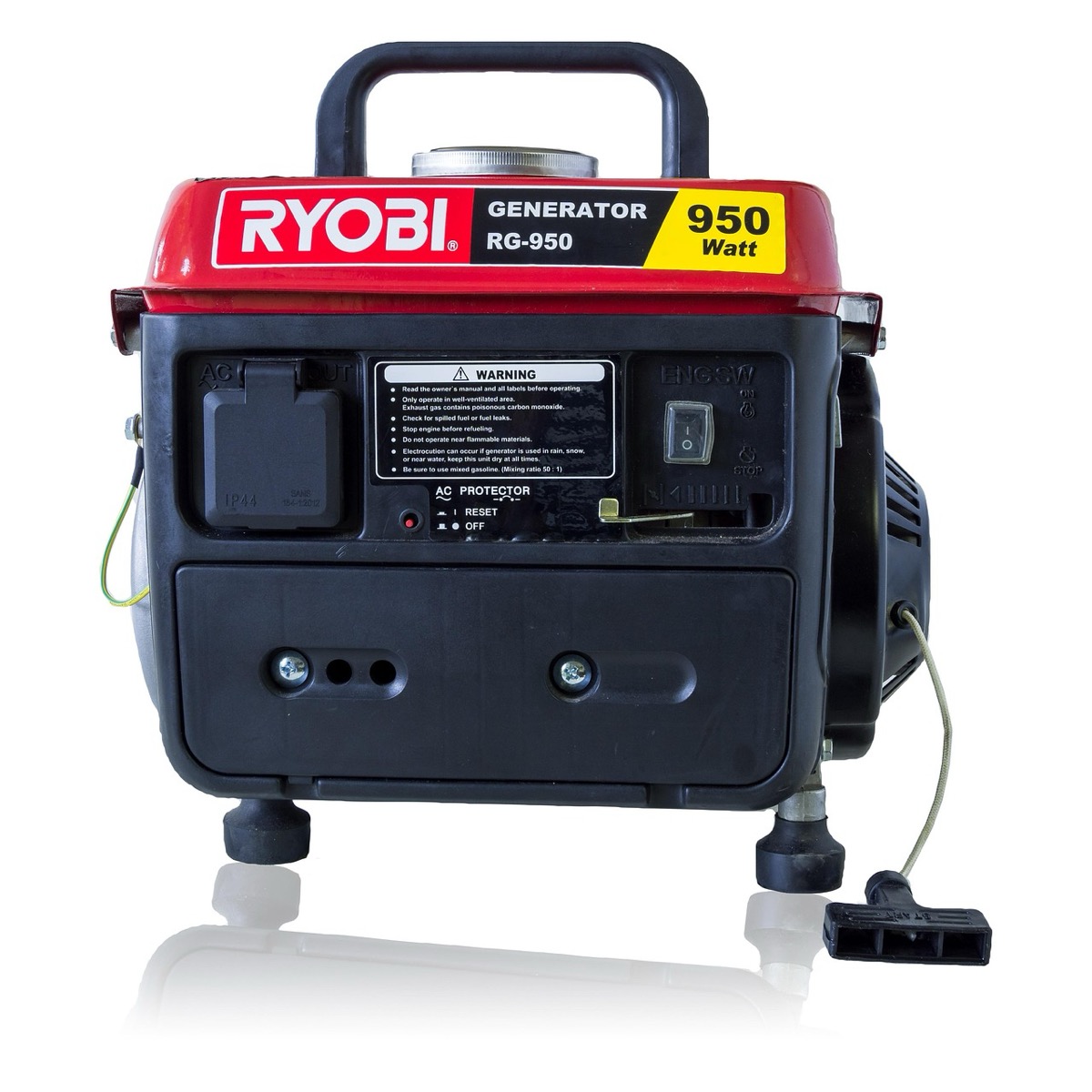
A generator undersized by 10 percent looks fine on paper. Your peak load is 16,000 watts, and you bought a 18,000-watt unit. The math works. Then the air conditioner compressor cycles on while the refrigerator is running and the well pump is already engaged. The combined starting watts of those three motors exceed your generator's capacity. The voltage sags. The generator's overload protection trips. It shuts down. Your home loses power, your food thaws, and your backup system failed at the worst possible moment.
An oversized generator is the opposite problem. You bought 40,000 watts when your home draws 15,000 watts at peak. The generator runs at 37.5 percent load continuously. Engines run most efficiently between 75 and 100 percent of rated load. At 37.5 percent load, fuel consumption per watt is terrible. The engine carbon deposits build up from running too lightly. You are paying for 40,000 watts of equipment, maintenance, fuel, and installation cost for a 15,000-watt reality. The oversizing wastes money upfront and costs more to run.
The correct approach is pragmatic: size the generator to cover 80 to 90 percent of your maximum realistic load during a typical outage. This gives you a buffer (your running load may be measured in a cool lab, not on a hot summer day when voltage sags and efficiency drops). It avoids the dangerous undersizing that creates startup failures. And it prevents the wasteful oversizing that burns money for years.
Running Watts vs Starting Watts: The Most Critical Distinction
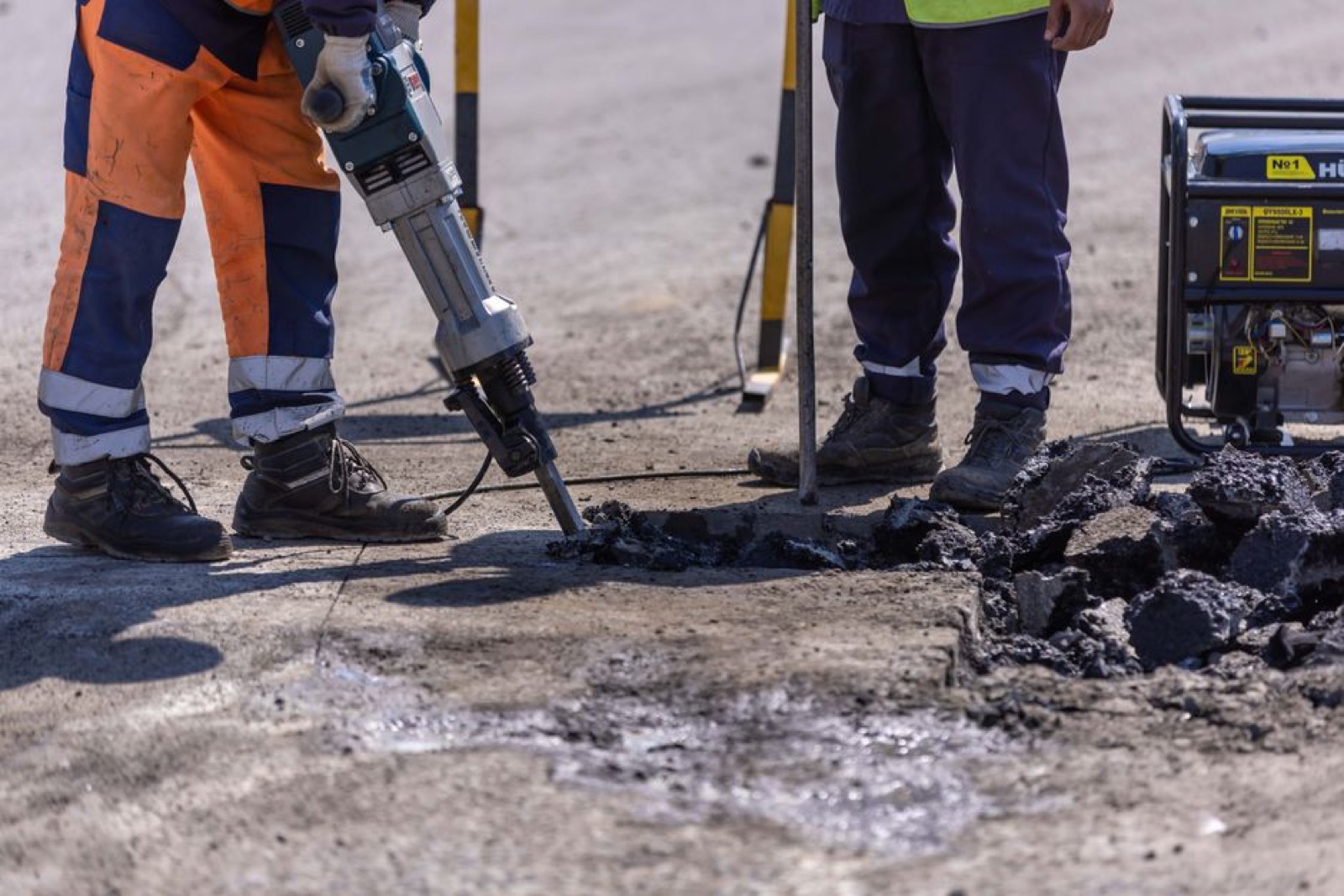
Every motor has two power requirements: running watts and starting watts. Running watts are the continuous power draw when the motor is running at full speed. Starting watts (also called inrush watts or surge watts) are the peak power draw at the moment the motor first engages and accelerates to full speed. The starting watts are always higher, often 2 to 3 times the running wattage.
This is why a generator that can "handle" a 20,000-watt home on paper shuts down in real life. You are not adding up the running watts. You are forgetting to account for the starting watts of the largest motor, plus the running watts of everything else running simultaneously.
Why Motors Require Starting Watts
An electric motor at rest has zero back electromotive force (back EMF). The stator winding draws maximum current as it pulls the rotor from a standstill. This inrush current is typically 3 to 7 times the running current (meaning 9 to 49 times the running power, since power scales with current squared). As the motor spins up, back EMF increases, current drops, and within a few seconds the motor settles into its steady-state running current.
A refrigerator compressor might draw 700 running watts all day, but when the thermostat signals the compressor to start, it draws 2,100 starting watts for the first 2 to 3 seconds. An air conditioning unit that runs at 3,500 watts steady-state can draw 7,000 to 9,000 watts at startup. A well pump running at 1,000 watts might draw 3,000 watts for the first second. If your generator cannot supply that starting wattage, the voltage at the generator's output terminals sags below acceptable levels, which triggers the generator's overload protection. The generator shuts down to protect itself.
How to Find Starting Watts for Your Appliances
Every appliance with a motor has a nameplate that lists starting wattage. Look on the back or bottom of the appliance for the data plate. It will show horsepower (HP) or amps (A). If it shows amps, multiply amps times 240 volts to get watts (or amps times 120 if it is a 120V appliance). The starting watts are typically listed separately from running watts, or you can estimate: most single-phase motors have starting watts of 2 to 3 times the running watts.
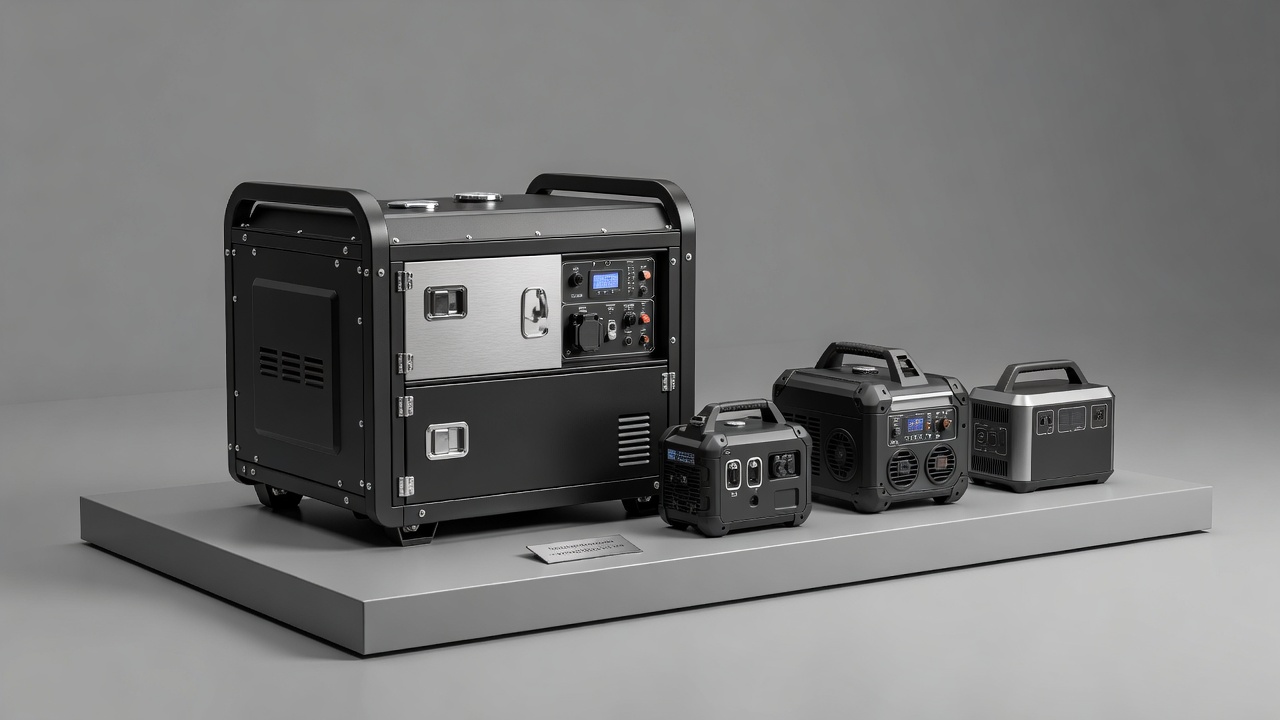
For common household appliances, here is the critical distinction:
Air conditioner, refrigerator, freezer, well pump, sump pump, washing machine, pool pump, compressor, electric motor of any kind. These account for 80 percent of starting wattage issues.
Electric heater, oven, stovetop, water heater, lights, coffee maker. No motor means no inrush current. The starting watts equal the running watts.
How to Calculate Your Wattage Needs: The Worksheet Method
Generator sizing follows a three-step method: (1) list every appliance and circuit you want to power, (2) write down the running and starting watts for each, (3) add the starting watts of the single largest motor, plus the running watts of all other loads, to get your total requirement.

Step 1: Walk Your Home and List Loads
Go room by room. Note every outlet, light switch, major appliance, HVAC system, and special circuit (dishwasher, electric vehicle charger, water heater, etc.). You do not need to power every circuit during an outage; you only need to power the circuits that matter to you during a multi-hour or multi-day power loss. For most homeowners, that means:
- Heating or air conditioning (whichever is critical for your climate)
- Refrigerator and freezer (food preservation)
- Well pump (if you are on well water)
- Sump pump (if you have a basement prone to flooding)
- Basic lighting and outlets in key rooms
- Furnace fan (if you have forced-air heat)
- Garage door opener (for vehicle access)
- Microwave or stovetop (cooking)
- Medical equipment if applicable (CPAP machine, oxygen concentrator, power wheelchair charger)
Step 2: Gather Nameplate Data
Go to each appliance and record the information on its nameplate. This is the most accurate source. Manufacturer spec sheets online are your second choice. Generic wattage charts (like the one later in this article) are your third choice and least accurate because they show averages; your specific model might vary. Do not guess.
Step 3: Apply the Calculation Rule
Here is the formula that separates correct sizing from guessing:
The reason: you can run the largest motor and everything else simultaneously, but only the largest motor draws its full starting watts. All other motors are already running or do not run during peak demand.
Example Calculation
Let us work through a realistic example. A 2,500 square foot home in the Midwest with central air conditioning, well water, and a basement sump pump:
Largest Motor: Central Air Conditioner (3-ton unit)
- Running watts: 3,500
- Starting watts: 8,500 (nameplate states 35 amps at 240V = 8,400 watts)
Other Loads Running Simultaneously:
- Refrigerator (running): 700 watts
- Well pump (running): 1,000 watts
- Sump pump (running): 800 watts
- Furnace fan: 600 watts
- Lights (estimated): 1,000 watts
- Outlets, microwave, misc: 1,500 watts
- Subtotal running watts: 5,600
Total Generator Size Required:
8,500 (AC starting) + 5,600 (others running) = 14,100 watts minimum
A 16kW or 18kW generator covers this load with a comfortable 10 to 15 percent safety margin.
This is the real calculation. It is not complicated, but it requires you to do the homework: walk your home, read the nameplates, and add the numbers. Online calculators that claim to size your generator based on square footage alone are guessing. They do not know if you have a 3-ton air conditioner or a 5-ton unit. They do not know if you are on a well or city water. They do not account for your actual loads.
Common Appliance Wattages: Reference Table
Use this table as a starting point, but verify each appliance with its own nameplate. Wattage varies significantly by model age, size, and efficiency rating. A modern Energy Star refrigerator uses less than an older model. A small window air conditioner draws less than a large one.
| Appliance / Load | Running Watts | Starting Watts | Notes |
|---|---|---|---|
| Air Conditioner, Central (2-ton) | 2,400 | 5,600-6,500 | Varies by efficiency; 2-ton = ~24,000 BTU. Verify at nameplate. |
| Air Conditioner, Central (3-ton) | 3,500 | 7,500-8,500 | 36,000 BTU. Most common residential size. |
| Air Conditioner, Central (5-ton) | 5,500 | 12,000-14,000 | 60,000 BTU. Large homes or zones. |
| Air Conditioner, Window (10,000 BTU) | 1,200 | 2,500-3,000 | Single room unit. Starting surge is significant relative to running load. |
| Refrigerator, Standard | 600-800 | 1,200-2,200 | Varies by size and age. Compressor inrush is 2-3x running watts. |
| Freezer, Standard | 500-700 | 1,200-2,000 | Similar motor pattern to refrigerator. |
| Well Pump, 1 HP | 750-1,000 | 2,000-3,000 | Jet pump or submersible. High starting current is typical. |
| Well Pump, 1.5 HP | 1,200-1,500 | 3,500-4,500 | Larger pump for homes with higher demand. |
| Sump Pump, 0.5 HP | 500-700 | 1,200-1,800 | Submersible or pedestal type. Relatively low power but important for flood prevention. |
| Furnace Fan (forced air) | 600-900 | 1,200-1,800 | Runs when heating or cooling. Inrush is brief. |
| Water Heater, Electric (4.5 kW) | 4,500 | 4,500 | Resistive load; starting watts = running watts. Very large generator required if you want to power this during outage. Most people do not. |
| Water Heater, Gas (pilot only) | 500 | 500 | Only the ignition and blower draw power. Easy to run on generator. |
| Dishwasher | 1,800 | 2,000-2,500 | Motor and heater. Starting surge is moderate. |
| Washing Machine, Top-Load | 800-1,200 | 2,000-3,500 | Motor inrush varies by model. Older machines draw more. |
| Electric Range / Oven | 5,000-6,000 | 5,000-6,000 | Resistive load. Rarely powered on generator unless you have 30+ kW capacity. |
| Microwave, Standard | 900-1,200 | 1,000-1,500 | Minimal starting surge. Easy to run. |
| Lights, Incandescent (single 100W bulb) | 100 | 100 | No inrush. Resistive load. |
| Lights, LED (single 15W equivalent) | 15 | 15 | Minimal power draw. Very easy on generator. |
| CPAP Machine | 60-150 | 60-150 | Medical equipment. Critical load for sleep apnea patients. Low power requirement. |
| Oxygen Concentrator | 300-500 | 400-700 | Medical equipment. Slightly higher starting surge due to motor. |
| Garage Door Opener | 300-600 | 1,000-2,000 | Motor inrush is significant but brief. Rarely causes problems. |
| Garage Door Opener, Backup Battery | 30 | 30 | If you have battery backup, consider powering just the battery charger instead of the opener itself. |
| Pool Pump, 1 HP | 750-1,000 | 2,000-3,000 | Similar to well pump. High starting surge. |
| Pool Heater, Gas (pilot and blower) | 700-1,200 | 1,200-2,000 | Blower motor is the large load. Heater elements are resistive. |
| Electric Vehicle Charger, Level 2 (240V) | 3,600-7,200 | 3,600-7,200 | Depends on charging rate (typical 30-60 amps at 240V). Resistive load; no inrush. Rarely powered on generator unless you have very large capacity. |
| Typical Household Outlets (receptacles) | Variable; estimate 100-300 each | Variable; estimate 100-300 each | Depend on what is plugged in. Phone chargers, lamp, etc. Use as placeholder in calculations. |
Important: This table shows typical ranges. Your specific appliances may vary. Always check the nameplate on each device before finalizing your generator size. Age, efficiency rating, and model significantly affect actual wattage draw.
Whole House vs Essential Circuits: Which Approach is Right for You?
There are two philosophies for generator sizing: whole-house backup (powering everything), and essential-circuits-only backup (powering the critical loads). The choice depends on your budget, the size of your home, and your outage duration expectations.
Whole House Approach
A whole-house generator is sized to power every circuit in your home simultaneously. For most homes, this requires 22kW to 40kW for a standby unit. You install a 200-amp or 400-amp automatic transfer switch that monitors utility power, detects an outage, starts the generator, and transfers all loads. When power is restored, it reverses the process. The advantage is simplicity: you do not choose what gets power. Everything stays on. Your life continues as if the power never went out.
The disadvantages are cost and infrastructure. A whole-house 30kW natural gas standby generator with installation typically costs $15,000 to $25,000. Fuel costs are higher because you are running more circuits continuously. The generator is larger, noisier, requires more maintenance, and occupies more space. For a home that rarely experiences outages longer than a few hours, whole-house sizing is overkill.
Essential Circuits Approach
An essential-circuits generator is sized to power only the loads that matter during a power loss: HVAC (or heating), refrigerator, well pump, sump pump, lights, and a few outlets. Typical sizing for essential circuits is 14kW to 22kW. You install a manual transfer switch or interlock kit that allows you to manually select which circuits (panels or breakers) receive generator power. This is lower cost upfront ($8,000 to $15,000 installed for a 20kW unit), lower fuel consumption, and adequate for 80 percent of homeowners.
The trade-off: you must manually transfer loads, and you accept that some circuits stay offline during the outage. The washing machine, dishwasher, and electric range stay dead. But your home stays warm or cool, your food does not spoil, and you have light and refrigeration.
Which is Right for You?
You expect outages longer than 24 hours; you have multiple HVAC zones; you have critical medical equipment; money is not a constraint; you want zero manual intervention.
You expect outages of 2 to 12 hours max; you are budget-conscious; you are comfortable with manual transfer; you have space constraints; you want lower fuel costs and easier maintenance.
Most homeowners choose essential circuits. It is the pragmatic balance between coverage and cost.
Transfer Switch Requirements: Manual vs Automatic
A transfer switch is the safety device that connects your generator to your home's electrical panel. It prevents the generator from backfeeding dangerous voltage onto utility lines (which can kill line workers), and it ensures that your home cannot draw from both utility power and generator power simultaneously. Most electrical codes require some form of transfer mechanism for any permanent generator installation.
Automatic Transfer Switch (ATS)
An automatic transfer switch monitors the utility voltage continuously. When utility power fails or drops below acceptable voltage, the ATS signals the generator to start automatically. Once the generator reaches operating speed and stable voltage, the ATS transfers the home's electrical load from the utility to the generator. When utility power returns, the ATS waits a few seconds to confirm the voltage is stable, then transfers the load back to the utility and signals the generator to shut down. All of this happens without human intervention.
An ATS is rated for service entrance application, meaning it can serve as the main disconnect for the home in many jurisdictions. Installation cost for a 200-amp service entrance ATS typically ranges from $1,000 to $3,000 in labor and materials, depending on whether your existing electrical panel needs upgrades.
Benefits: Fully automatic. You get home after an outage begins and the backup power is already running. No manual switches to flip. No risk of operator error.
Drawbacks: Higher upfront cost. Requires a new piece of electrical equipment installed by a licensed electrician. Requires gas line work to reach the ATS location (sometimes necessitating new gas line routing).
Manual Transfer Switch or Interlock Kit
A manual transfer switch is a physical switch that you move by hand to transfer circuits from utility to generator. An interlock kit is a mechanical or electrical device that prevents the main breaker and a generator breaker from being on simultaneously, but the switching itself is still manual.
Both require you to be home (or to have someone home) to make the switch happen. If you are away during the outage, your generator idles unused. Installation cost is typically $300 to $800 for a manual switch or interlock kit, much lower than an ATS.
Benefits: Lower cost. Simpler installation. Portable generators can use an interlock kit for safe operation without a fancy fixed transfer switch.
Drawbacks: Not automatic. You must be present and aware that the power is out. Requires manual action. Risk of human error (accidentally running on both utility and generator simultaneously, which is dangerous).
Which One for Your Home?
If you have a portable generator, use a manual transfer switch or interlock kit. If you have a standby generator and can afford the automatic transfer switch, it is worth the investment. If you are budget-limited, a manual transfer switch on a standby generator is acceptable and far safer than no transfer mechanism at all.
Portable vs Standby: Sizing Differences and Trade-offs
A portable generator is a self-contained unit with built-in fuel tank, engine, alternator, and control panel that sits in your yard or garage. A standby generator is permanently installed, usually mounted on a concrete pad beside your home, with external fuel connections (natural gas or LP tank) and hardwired electrical connections to your home's panel.
Portable Sizing Considerations
Portable generators for home backup typically range from 3,500 watts (small units for essential circuits) to 15,000 watts (high-output units for near-whole-house coverage). Most useful for residential backup are 6,000 to 10,000 watts. The limiting factor for portables is fuel capacity: a 5,000-watt portable with a 6-gallon tank at 50 percent load runs for about 8 to 12 hours before refueling. You need a fuel supply strategy: either pre-position jerry cans of gasoline or propane, or have a plan to refuel regularly.
The advantage of portable sizing is flexibility. You are not locked into a fixed amount of power. You can buy a 5,000-watt portable today, and if you need more capacity later, you can upgrade or run two units in parallel (with careful synchronization). The disadvantage is that you must physically connect it (run extension cords or a transfer switch), start it manually, and monitor it during operation.
Standby Sizing Considerations
Standby generators are sized once during installation. You choose 14kW, 20kW, 22kW, etc., and that is your capacity. If you later decide you need more, you need to replace the entire unit. The advantage is that standby units are sized deliberately for your home's needs, they start automatically, and they run unattended.
The disadvantage is commitment. You are buying a specific wattage and paying for installation infrastructure that cannot easily change. This is why the load calculation is critical for standby units. Portables forgive oversizing or undersizing more gracefully because they are temporary. Standby units do not.
Sizing Recommendations by Outage Expectation
- Frequent short outages (2-4 hours): Portable 5,000 to 7,500W is adequate. You refuel once and you are done.
- Occasional outages (2-12 hours): Portable 8,000 to 10,000W or standby 14kW with essential circuits. Standby gives you automatic operation; portable gives you flexibility.
- Predictable long outages (12+ hours) or frequent extended outages: Standby 20kW+ with automatic transfer switch on natural gas. Fuel cost per hour is better than propane. Automation eliminates manual intervention during emergencies.
Fuel Type Impact on Runtime and Output
Generators run on natural gas, liquid propane (LP), gasoline, or diesel. The choice affects output, runtime, efficiency, and whether you need a fuel supply strategy.
Natural Gas
If your home has natural gas service, a natural gas generator is the simplest choice. The fuel supply is continuous and uninterrupted during an outage (assuming the utility gas system itself is not damaged). You connect the generator to your existing gas line, and you never think about fuel supply again. The downside is that most generators produce slightly less power on natural gas than on LP due to BTU content differences. A generator rated at 20kW on LP might produce 18kW to 19kW on natural gas.
Natural gas is the best choice for standby generators because fuel security is highest. You do not run out during a long outage.
Liquid Propane (LP)
Propane generators deliver full rated output (unlike the natural gas derating). The trade-off is that you must supply propane in a tank, either a small 20-pound tank (portable units, 4 to 6 hour runtime at 50 percent load) or a large 500 to 1,000-pound tank (standby units, 1 to 3 week runtime at 50 percent load). During a major extended outage, propane delivery may be unavailable, leaving you stuck. During normal times, you monitor tank level and refill before it is empty.
Propane is the best choice for portable generators (simpler fuel transport) and for standby generators in areas without natural gas service (rural properties, remote areas). Propane generators are also simpler to convert between LP and gasoline/dual fuel, making them more flexible.
Gasoline
Portable generators often run on gasoline. The advantage is convenience: gasoline is available at any gas station. The disadvantage is fuel stability and storage: gasoline degrades over months, and you must use fuel stabilizer if you pre-position jerry cans. Gasoline engines also require more frequent maintenance (oil changes, plug changes) than other fuel types.
Diesel
Diesel generators are efficient and durable, particularly at large sizes (20kW+). Diesel fuel is more stable than gasoline for long-term storage. However, diesel generators are louder, and diesel fuel can gel in extreme cold unless treated with additives. Diesel is uncommon in residential backup generators under 25kW.
Fuel Supply Strategy
- Natural Gas (continuous supply): Zero fuel strategy needed. Lowest maintenance burden.
- LP (limited supply): Keep a backup tank of propane on hand. For extended outages, arrange delivery from your fuel supplier (may be delayed during regional emergencies).
- Gasoline (portable, limited storage): Pre-position 5 to 10 gallons of fuel in approved jerry cans with fuel stabilizer. Rotate stock every 6 months. Have a plan to refuel from gas stations if the outage extends beyond your stock.
- Diesel (better storage): Can store 20+ gallons safely. Fuel does not degrade as quickly. Add diesel additives in cold climates.
Altitude and Temperature Derating: The Fine Print Nobody Reads
Generator output is affected by air density. At sea level with cool air, a generator delivers full rated output. At higher altitude or in hot conditions, output decreases. This is called derating, and it is critical if you live in Denver, Phoenix, or anywhere above 3,000 feet elevation.
Altitude Derating
For every 1,000 feet of elevation above sea level, a generator loses approximately 3 to 5 percent of its rated output. A 20kW generator at sea level produces roughly 18.5kW at 5,000 feet elevation. At 10,000 feet, it produces about 17kW. This is because the air is thinner, so less oxygen reaches the engine, resulting in less power output.
If you live at elevation, size your generator 10 to 15 percent larger than the calculated load to account for altitude derating. Ask your installer or the manufacturer for specific derating numbers for your altitude and your generator model.
Temperature Derating
Generators also derate in extreme heat. A unit rated at 22kW at 77 degrees Fahrenheit may drop to 20kW at 95 degrees Fahrenheit or higher. This is why power outages on the hottest summer days (when air conditioning is running at full demand) create the worst-case scenario: your load is highest when the generator is derating the most.
In hot climates, size the generator 5 to 10 percent larger than calculated to account for summer derating. Ensure the generator location has shade and good airflow to keep it as cool as possible during operation.
Combined Derating in High-Altitude, Hot Climates
If you live in Phoenix (elevation 1,000 feet, summer temps 115+ degrees) or Denver (elevation 5,280 feet, summer temps 95 degrees), the combined derating effect can be 10 to 20 percent of rated output. A generator rated at 20kW in ideal conditions may deliver only 16kW during a summer outage. Plan accordingly by oversizing the generator at purchase time.
Common Sizing Mistakes: What Goes Wrong and How to Avoid It
Mistake 1: Forgetting to Account for Starting Watts
This is the number one sizing error. A homeowner adds up the running watts of all appliances, gets 15,000 watts, buys a 16,000-watt generator, and then is shocked when the air conditioner tries to start and the generator overloads. They forgot that the air conditioner's starting watts (7,500 to 9,000) must be compared to the generator's output, not the compressor's running watts. The solution: use the formula. Starting watts of the largest motor, plus running watts of everything else.
Mistake 2: Using Square Footage as a Sizing Guide
Online calculators that say "a 3,000 sq ft home needs a 20kW generator" are wrong. Generator size depends on loads, not floor space. A 3,000 sq ft all-electric home in Arizona might need 25kW or more. A 3,000 sq ft home with gas heat, gas water heater, and fewer HVAC zones might need only 14kW. Square footage is not a reliable metric.
Mistake 3: Not Accounting for Simultaneous Loads
Some homeowners size the generator to run the most power-hungry single appliance, forgetting that multiple appliances run at the same time. If your air conditioner needs 8,500 starting watts, and your well pump kicks in while the AC is starting, you now need 8,500 (AC starting) plus 3,000 (well pump running) plus other household loads. The simultaneous load is always higher than any single appliance.
Mistake 4: Undersizing to Save Money
Buying a 14kW generator when your load requires 18kW saves $1,500 to $2,000 upfront, but it guarantees that the generator will fail when you need it most. Undersizing is the most common reason for "my generator won't power my air conditioner" complaints. The extra $2,000 upfront is worth the reliability.
Mistake 5: Not Derating for Altitude or Heat
If you live in Denver or Phoenix and buy a generator based on sea-level, 70-degree-Fahrenheit ratings, the unit will derate by 15+ percent in real summer conditions. You are effectively buying a 17kW unit and paying for a 20kW unit. In hot or high-altitude climates, always ask the manufacturer or installer for derating curves, and size larger accordingly.
Mistake 6: Confusing Continuous Output with Peak Output
Some portable generators list peak watts and continuous watts separately (e.g., "15,000 watts peak, 12,000 watts continuous"). The continuous rating is the real number for sizing. You cannot run the generator at peak output indefinitely. The continuous rating is what matters for your load calculation.
Mistake 7: Forgetting About Voltage Drop Over Distance
If your generator is located far from your home's electrical panel (50+ feet of cable run), voltage drop in the wiring reduces the effective voltage at your home's breaker box. This can cause sensitive equipment to shut down or perform erratically. Minimize cable run distance, or use larger-gauge cable. A qualified electrician will account for this during installation, but it is worth being aware of.
Generator Sizing Worksheet: Fill This Out Before You Call a Dealer
Print or photocopy this worksheet. Walk your home with a notepad, record the information, and bring the completed worksheet to your electrician or generator dealer. This removes guesswork from the sizing conversation.
Generator Sizing Worksheet
Home Address: _______________________________ Date: _______________
Elevation: ______________ ft Typical summer high temp: ______________ F
HVAC Systems (Heating / Cooling)
List each air conditioner, furnace, heat pump, or HVAC unit:
Air Conditioner / Heat Pump Size: _____________ (tons or BTU)
Running Watts: ________________ Starting Watts: ________________
Source: Nameplate Spec sheet Estimate
Skip the Guesswork
Get the Complete Home Generator Sizing Guide with step-by-step worksheets, appliance wattage charts, and fuel cost calculators.
28 pages. Instant download. $7.99
Get the Complete Guide - $7.99Furnace Fan / Heat Pump Auxiliary:
Running Watts: ________________ Starting Watts: ________________
Water Pumps
Well Pump (if applicable):
Running Watts: ________________ Starting Watts: ________________
Sump Pump (if applicable):
Running Watts: ________________ Starting Watts: ________________
Appliances & Circuits (Running Watts Only)
List appliances you want running during an outage:
Load Calculation
Largest Motor Starting Watts (from HVAC or pumps above):
__________ watts
Sum of All Other Running Watts (appliances + lights + outlets):
__________ watts
TOTAL GENERATOR WATTS REQUIRED:
__________ + __________ = __________ watts
Add 10-15% safety margin for altitude/heat derating, then round up to next standard generator size.
Fuel & Type Preferences
Preferred fuel source:
Natural Gas LP / Propane Portable / Gasoline
Generator type:
Standby (whole house or essential + ATS) Portable
Transfer switch:
Automatic (preferred) Manual (budget option) Interlock kit
Notes
Next Step: Print this completed worksheet and bring it to your electrician or generator dealer. They can review your calculations and recommend specific generator models for your situation.
Frequently Asked Questions
What size generator do I need for a 2000 sq ft house?
How many watts to run a refrigerator?
Can a generator be too big?
What is the difference between running and starting watts?
Do I need a transfer switch?
Ready to Choose a Generator?
Now that you know exactly how to calculate your wattage needs, the next step is finding the right unit. Our Best Home Generator guide ranks and compares the top-rated residential generators across every size class - from 9kW portables to 24kW whole-house standby units - with expert analysis on reliability, fuel efficiency, installation costs, and long-term value. Use your completed sizing worksheet alongside that guide to match the right generator to your home's real requirements.
Bottom Line
Generator sizing is math, not guessing. Start with the sizing worksheet, gather nameplate data from your appliances, calculate the starting watts of the largest motor plus the running watts of other loads, and size the generator to 80 to 90 percent of that total (leaving a buffer for derating in extreme conditions). Whether you choose a portable unit for emergency backup or a permanent standby generator with automatic transfer switch, proper sizing ensures your generator works when you need it and does not waste money or fuel when it is running. The most expensive generator is the one that fails during your first real outage. The second most expensive is the one you bought too large out of fear of undersizing. The right-sized generator strikes the balance between those extremes.